
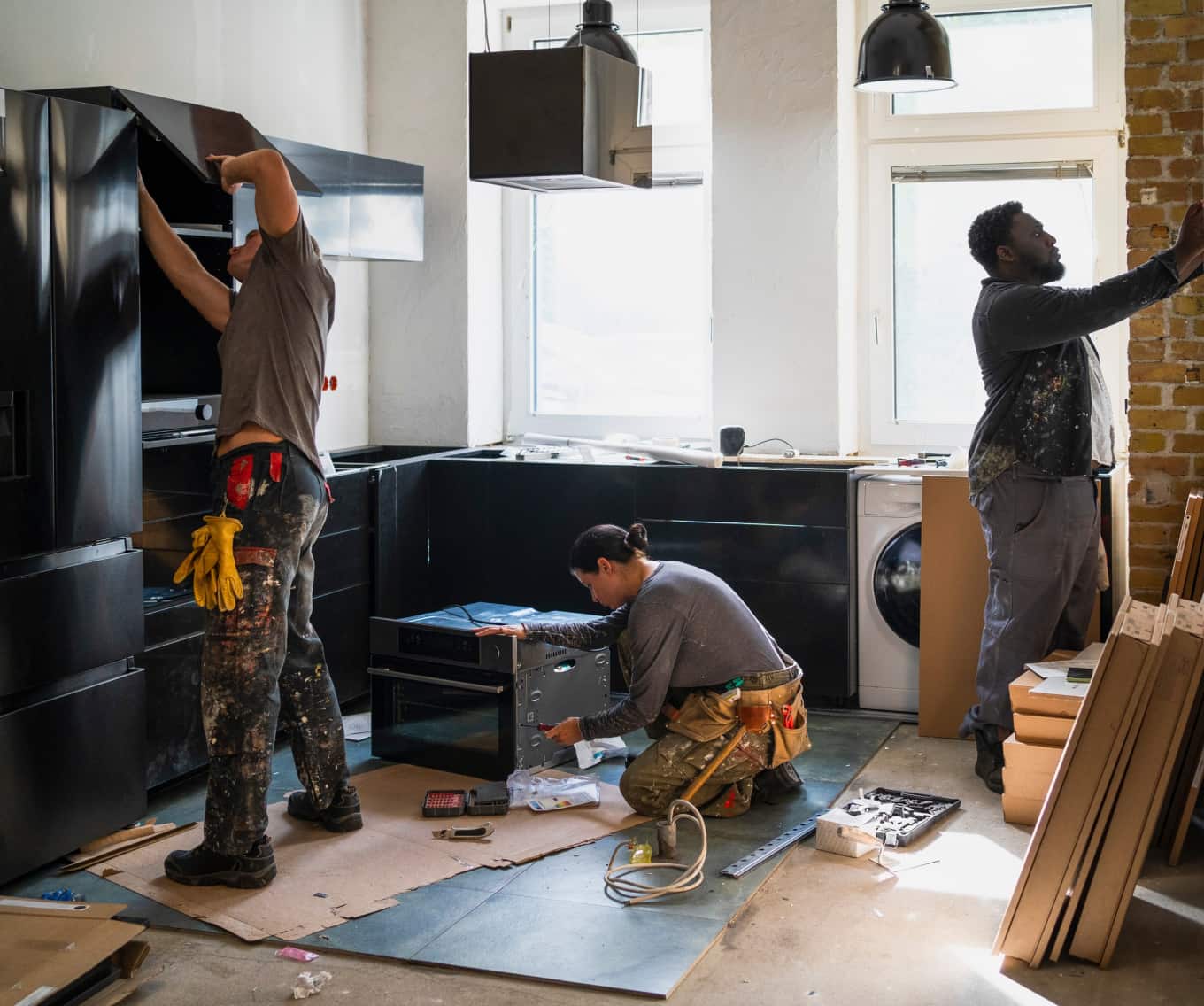
Renovation financing for residential properties in South Carolina.
Residential rehab loans from Hard Money Lenders of Myrtle Beach are engineered for investors who understand that the Grand Strand's best opportunities frequently come with peeling paint, storm damage, deferred maintenance, or outdated interiors that conventional lenders refuse to touch. From hurricane-impacted cottages in Garden City and Surfside Beach to dated ranch homes in established Conway neighborhoods and storm-weathered properties along the North Myrtle Beach barrier island, there is no shortage of distressed residential inventory on the Grand Strand — and no shortage of buyers who want those same properties fully renovated.
Our rehab loans cover both the acquisition price and renovation costs in a single package, eliminating the logistical headache of managing separate funding sources. We lend based on the after-repair value (ARV) rather than the property's current condition, which means we can lend you significantly more than a bank's as-is appraisal would allow. Loan amounts run to 70 percent of ARV, with interest-only payments during the renovation period to preserve your cash flow for construction. Terms range from 6 to 18 months — enough runway for even substantial gut-rehab projects on the coast.
Coastal South Carolina renovation carries specific technical demands that many out-of-market lenders don't appreciate: wind-mitigation upgrades required for affordable insurance (roof decking attachment, opening protection, roof-to-wall connections), flood-elevation compliance for properties in FEMA AE and VE zones, and the humidity and moisture management that every renovation on the barrier island demands. We have funded hundreds of rehab projects throughout Horry County and our underwriters evaluate scope-of-work estimates with those realities already factored in — not as surprises at the inspection stage.
Fix-and-flip rehab projects are the most common application for our residential rehab loans across the Grand Strand. In Conway's older neighborhoods — including areas near downtown Laurel Street and the historic district — mid-century homes frequently sell 20 to 30 percent below market value because sellers lack renovation capital and buyers relying on FHA and conventional financing can't proceed with condition-flagged properties. We fund flippers who acquire these properties, execute 60-to-120-day cosmetic and system renovations, and resell to end buyers or investor landlords at ARV.
Fix-and-hold conversions are equally common. An investor acquires a Socastee rental that hasn't been updated since 2005, renovates kitchens and baths, replaces flooring and HVAC, and refinances into long-term DSCR financing once the property is stabilized with a tenant and documented rental income. Our rehab loan bridges the gap between distressed acquisition and conventional refinance eligibility. Many of our clients have assembled multi-property rental portfolios in Horry County using exactly this cycle.
Post-storm property acquisition is a recurring opportunity unique to the Atlantic coast. Hurricane Hugo in 1989 and Florence in 2018 demonstrated that Cat 1-to-3 systems generate significant numbers of insurance-total properties, estate sales, and reluctant-seller situations that produce below-market acquisitions. Investors who can move quickly — within days of a storm's aftermath — and who have financing that accommodates distressed-condition properties can acquire substantially below replacement cost. Our rehab loans are specifically designed for these situations.
Estate property renovations represent another significant application. When heirs inherit a Myrtle Beach or North Myrtle Beach property that has been the family beach house for 30 years — and hasn't been updated to match what STR guests or retail buyers expect — they often need renovation capital to maximize sale proceeds. Our loans close rapidly to meet estate timelines, with rehab funds disbursed in draws as work is completed.
The most common challenge in Grand Strand rehab projects is hidden coastal damage. Properties east of Highway 17 — and particularly those with direct ocean or inlet exposure — frequently conceal moisture intrusion, rot in wood framing behind vinyl siding, and deteriorated HVAC coils from salt-air exposure. A renovation budget that accounts for cosmetics but not structural moisture damage is a budget that will overrun. We recommend conservative contingency reserves of 15 to 20 percent for coastal properties and our underwriters will flag cost estimates that appear thin for a property's age and location.
Contractor availability is the second major challenge. The Grand Strand's construction market tightens significantly in peak season (March through September) when home builders and commercial contractors are fully deployed. Experienced renovation contractors who understand coastal building codes — including Horry County's specific wind-load requirements and FEMA elevation standards — book out quickly. Investors who haven't pre-qualified contractors before closing on a property risk four-to-six-week delays finding reliable help. We can refer borrowers to established general contractors who have worked on prior projects we've financed.
Permitting timelines in Horry County and the City of Myrtle Beach can surprise investors from non-coastal markets. Projects that touch electrical, plumbing, or structural elements require permits that move through municipal review processes, and projects in flood zones require additional elevation-certificate verification at various stages of work. We build realistic permitting timelines into draw schedule expectations so that loan maturity dates align with actual project completion probability.
When you bring us a Grand Strand rehab project, we review the property's condition photos, your contractor's scope-of-work bid, and recent ARV comps from properties in similar condition post-renovation. We don't rubber-stamp inflated ARVs — if our market data shows that renovated comparables in Loris are selling at $185 per square foot and your deal pencils only at $220, we'll tell you before you're committed. That honest feedback has saved borrowers from bad deals and built the long-term lending relationships we value.
Draw schedules are structured around construction milestones: acquisition advance at closing, rough systems (framing, mechanical, electrical, plumbing), exterior and weatherproofing (critical for coastal properties), interior finish work (drywall, flooring, kitchen, bath), and final completion. Each draw is inspected before release. We typically process draws within two to three business days of a passing inspection — fast enough to keep contractors paid on schedule. We remain reachable throughout the construction period. When problems arise, we'd rather hear from you early and work through options than discover issues only at maturity.
Our residential rehab loans are available throughout Horry County and Georgetown County, including Myrtle Beach, Conway, North Myrtle Beach, Surfside Beach, Garden City, Little River, Murrells Inlet, Socastee, Loris, Longs, Aynor, Pawleys Island, and surrounding communities where renovation opportunities remain abundant.
We lend up to 70 percent of the after-repair value (ARV), with ARV established by comparable sales of similarly renovated properties within a half-mile to two-mile radius depending on property type and location. For oceanfront or near-ocean properties in North Myrtle Beach and Surfside Beach, we use ocean-to-street-side comps specifically rather than general-area averages, which can otherwise inflate ARV estimates. Your total loan covers both the purchase price and the renovation budget as long as the combined amount stays within 70 percent of ARV.
Yes, storm-damaged and flood-damaged properties are among the most common collateral types we finance. We require a detailed scope of work addressing all damage — including structural, electrical, HVAC, and moisture remediation — and we verify that the post-renovation property will meet current Horry County building codes and FEMA flood-zone compliance standards. Properties that cannot feasibly be brought to code or that have title complications from insurance claims require additional review, but storm damage alone does not disqualify a property.
Yes. We require your GC to hold a valid South Carolina contractor license, carry general liability and workers' compensation insurance, and provide a detailed written scope of work with line-item pricing. We do not maintain an approved-contractor list or require you to use our referrals. If you're an experienced investor with an established contractor relationship, bring your team — we simply need to verify credentials before the first construction draw.
We strongly recommend a 15 to 20 percent contingency reserve in your renovation budget, particularly for properties with coastal exposure or pre-1995 construction. If your renovation uncovers additional work beyond that contingency, we have several options: you can fund the overage from personal reserves, request a loan modification if the ARV still supports additional advance, or adjust scope to stay within budget. We address overruns case by case. The worst outcome is discovering the problem at loan maturity rather than mid-project — communicate early.
Our residential rehab loans have terms of 6 to 18 months depending on the scope. A cosmetic flip in Conway with a 30-day renovation timeline suits a 6-month term. A full gut-rehab on a dated oceanfront cottage in Surfside Beach with permitting, wind-mitigation upgrades, and kitchen-to-bath reconfigurations typically warrants 12 months. Extensions are available for a fee when projects are progressing but require additional time — we evaluate extension requests based on work-completion status and remaining project scope.
Get started today and receive multiple competitive loan offers from verified hard money lenders.